Opens in a new tab
Philippine Ocean Acidification (PhilOCA) | Marine Science Institute - UP Diliman

How is the chemistry of Philippine seas changing?

PhilOCA database serves as a centralized hub for pH and carbonate chemistry data, supporting national and regional monitoring efforts.
Our Data Portal

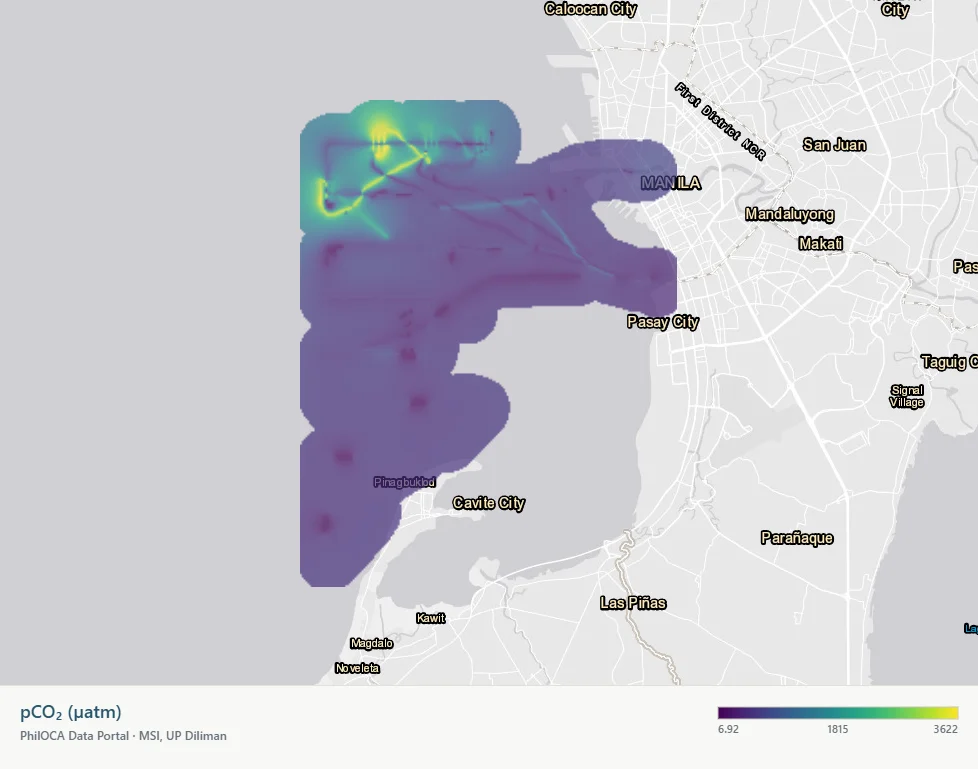
pH and Carbonate Data on Philippine Waters
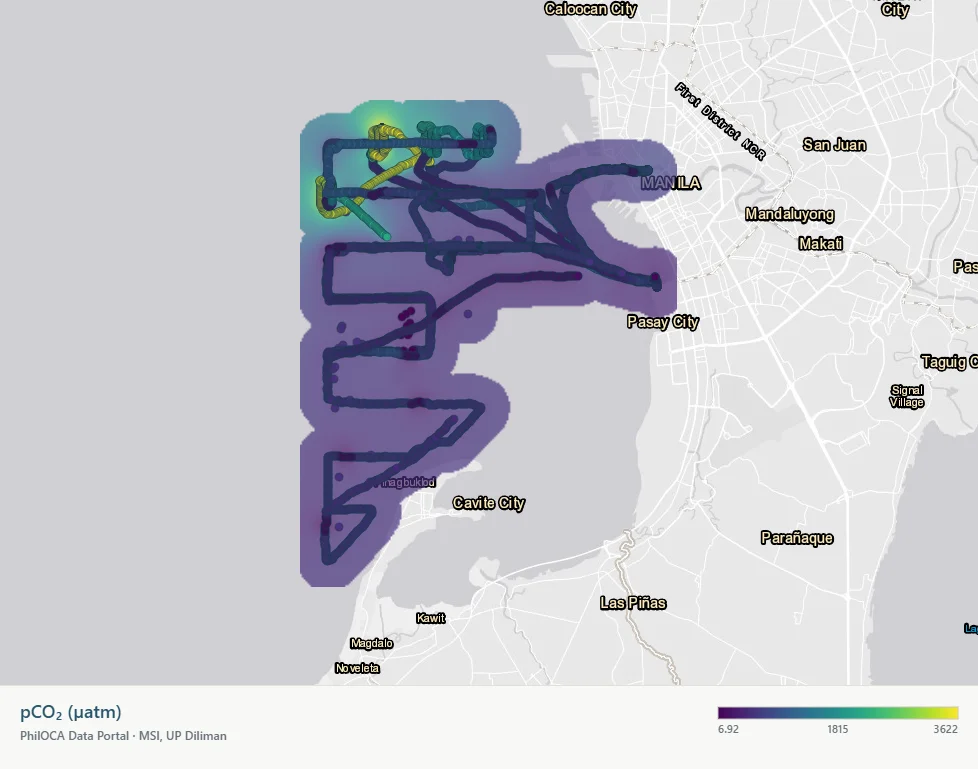
Following the United Nations Sustainable Development Goal (SDG) Indicator 14.3.1 methodology, we map pH and carbonate chemistry measurements from monitoring stations across Philippine waters. Our data portal is openly available to support marine conservation and sustainable coastal management.
Our Initiatives

Climate Change & Coastal Acidification

Climate change is driving shifts in ocean chemistry, leading to coastal acidification that threatens marine life and ecosystem balance.

Rising atmospheric CO2 levels are altering pH levels in our waters, with significant implications for biodiversity, fisheries, and coastal communities.

Learn more about these pressing challenges and our efforts to monitor and mitigate their effects on Ocean Acidification.

What is Ocean Acidification?
Our Initiatives

SDG 14.3.1 & pH as Environmental Indicator

The United Nations Sustainable Development Goal (SDG) 14.3.1 emphasizes the importance of ocean acidification monitoring through pH measurements.

As ocean chemistry changes, pH serves as a key environmental indicator, providing valuable insights into the health of marine ecosystems.

Discover how our research contributes to global monitoring efforts and supports sustainable ocean management on Data & Resources.

Learn More About SDG 14.3.1
Who We Are

Chemical Oceanography Laboratory (ChemOce Labs)

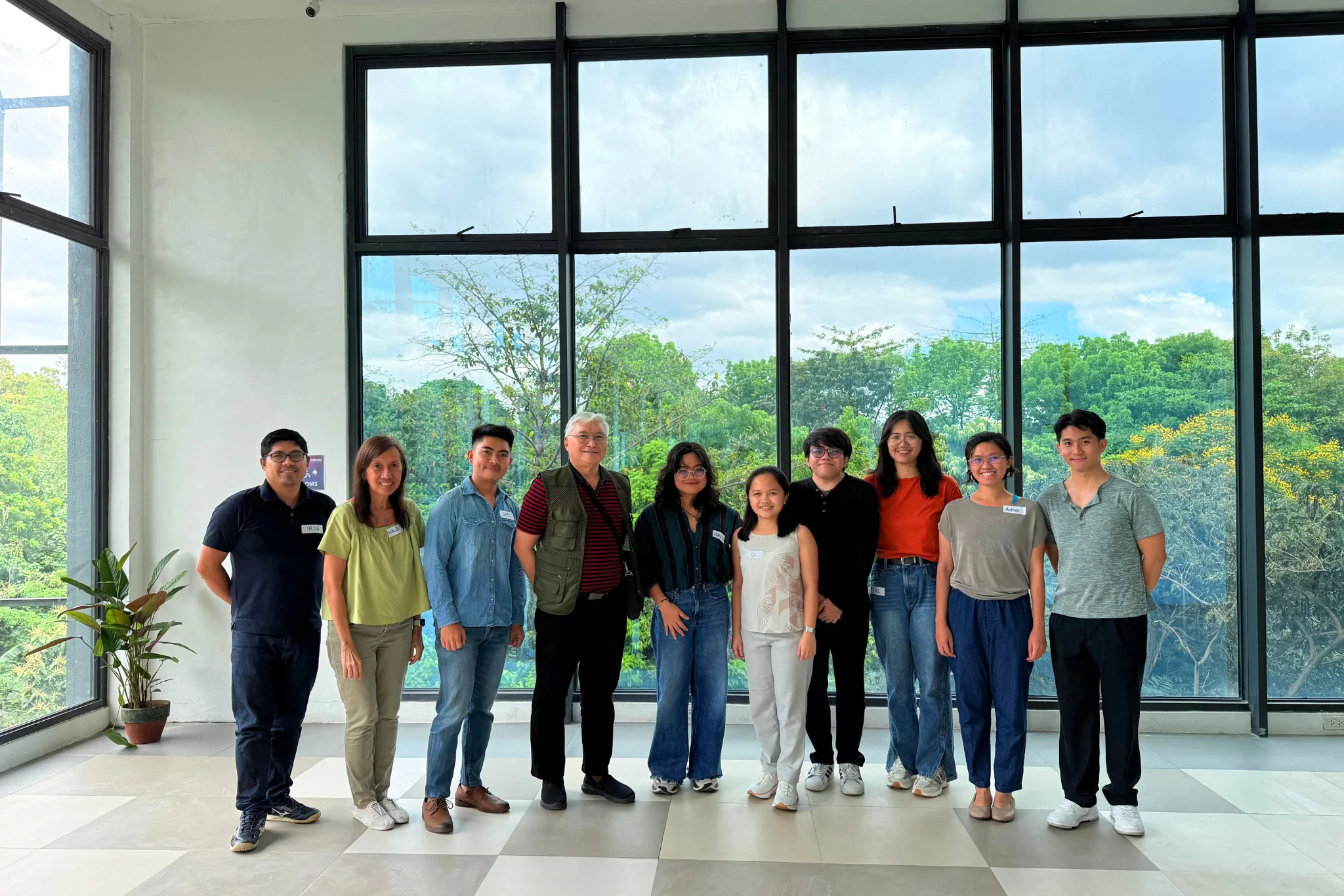
Welcome to the Chemical Oceanography Laboratories (ChemOce Labs) at the Marine Science Institute, University of the Philippines Diliman.

Our research explores the chemical processes shaping marine ecosystems, with a focus on water quality, carbonate chemistry, and the impacts of environmental change on coastal and oceanic waters.
What We Work On

Our Research Areas

Our research spans the chemistry that shapes Philippine coastal waters, from nutrient cycles and carbonate systems to the growing pressures of acidification, pollution, and climate change. Explore the areas where our work is making an impact.

Nutrient & Carbonate Chemistry

We investigate nutrient cycling alongside total alkalinity and dissolved inorganic carbon dynamics, and the carbon fluxes that set the chemistry of coastal waters.

Coastal Acidification & Climate Change

We aim to understand how climate change alters ocean chemistry and what declining seawater pH and carbonate availability mean for habitats that sustain marine life.

Marine Pollution & Water Quality

We asses water quality of marine and esturaine environments to explain how human-induced actions affect ocean health and marine life.

Blue Carbon & Ecosystem Services

We explore the role of coastal marine ecosystems like mangroves and seagrasses in capturing carbon, providing vital climate regulation and coastal ecosystem protection.
Field Highlights

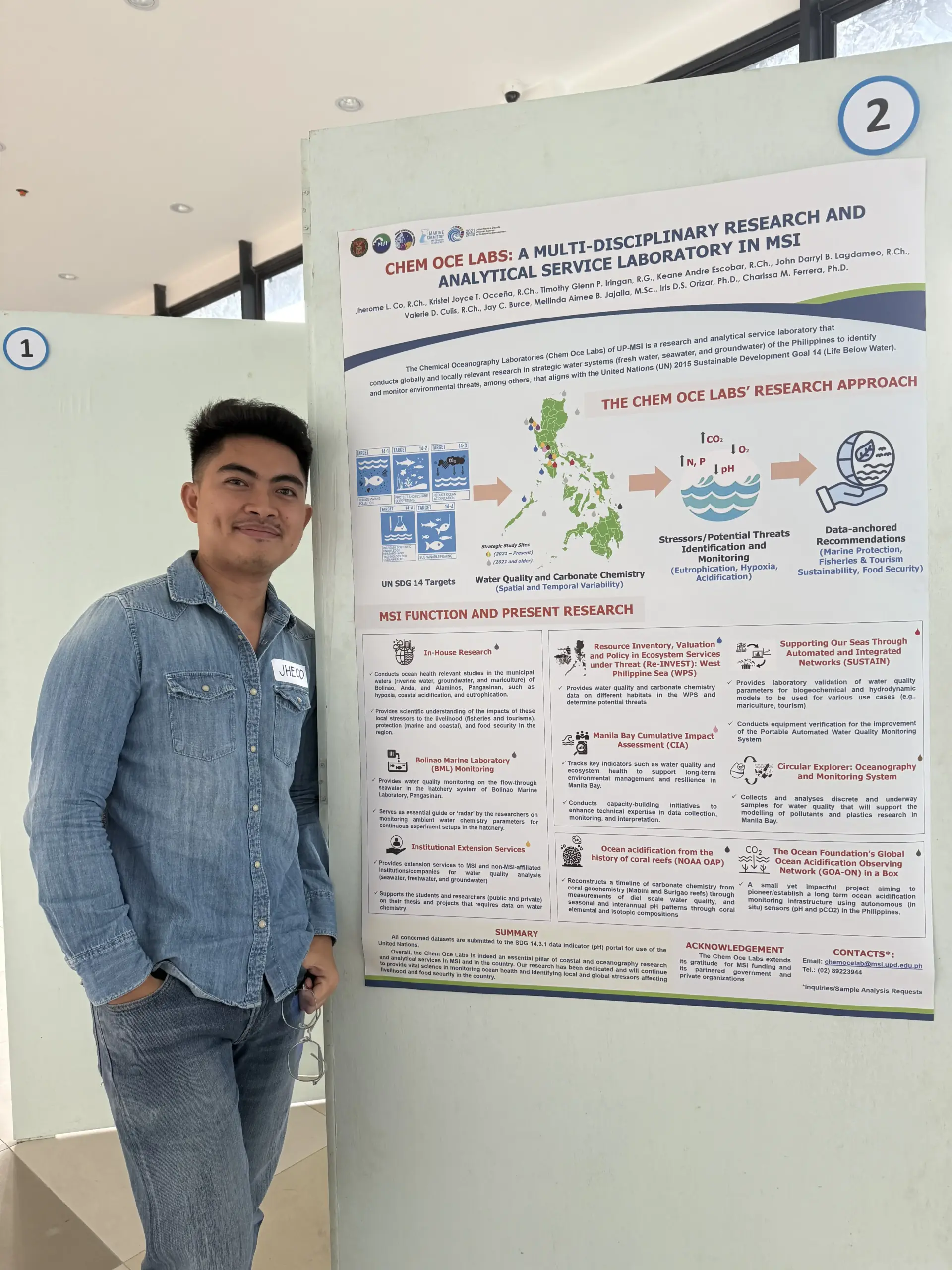
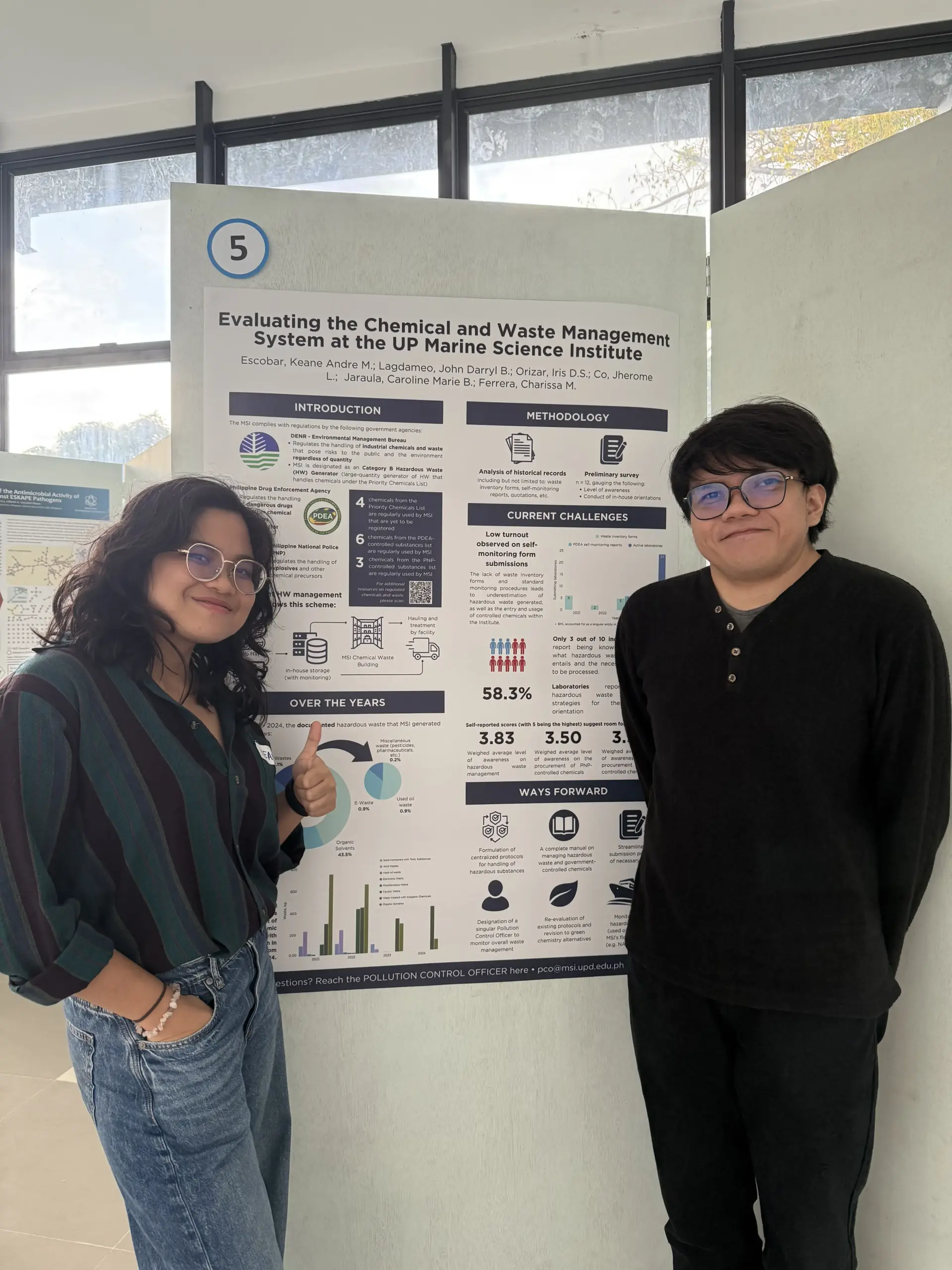
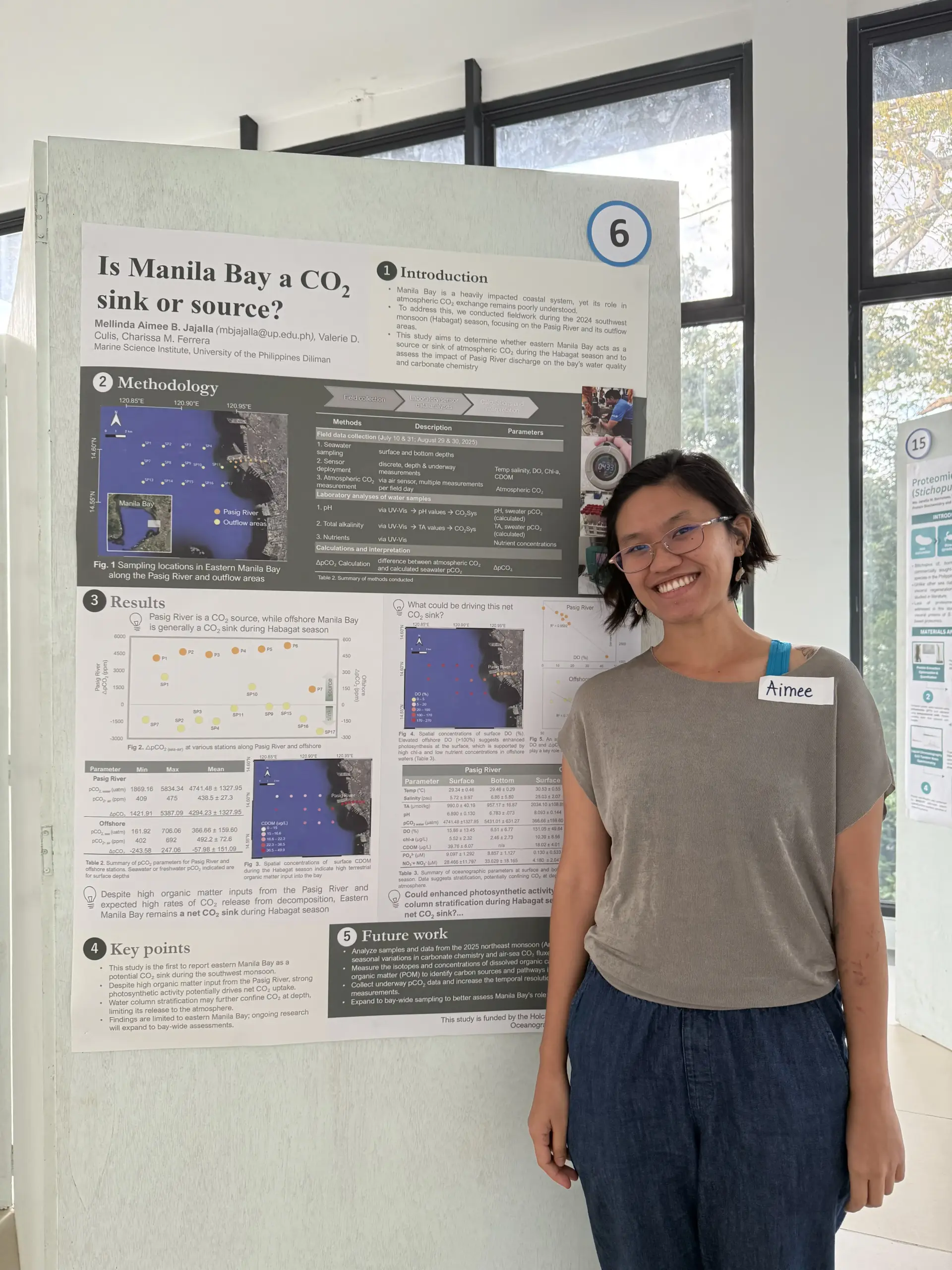
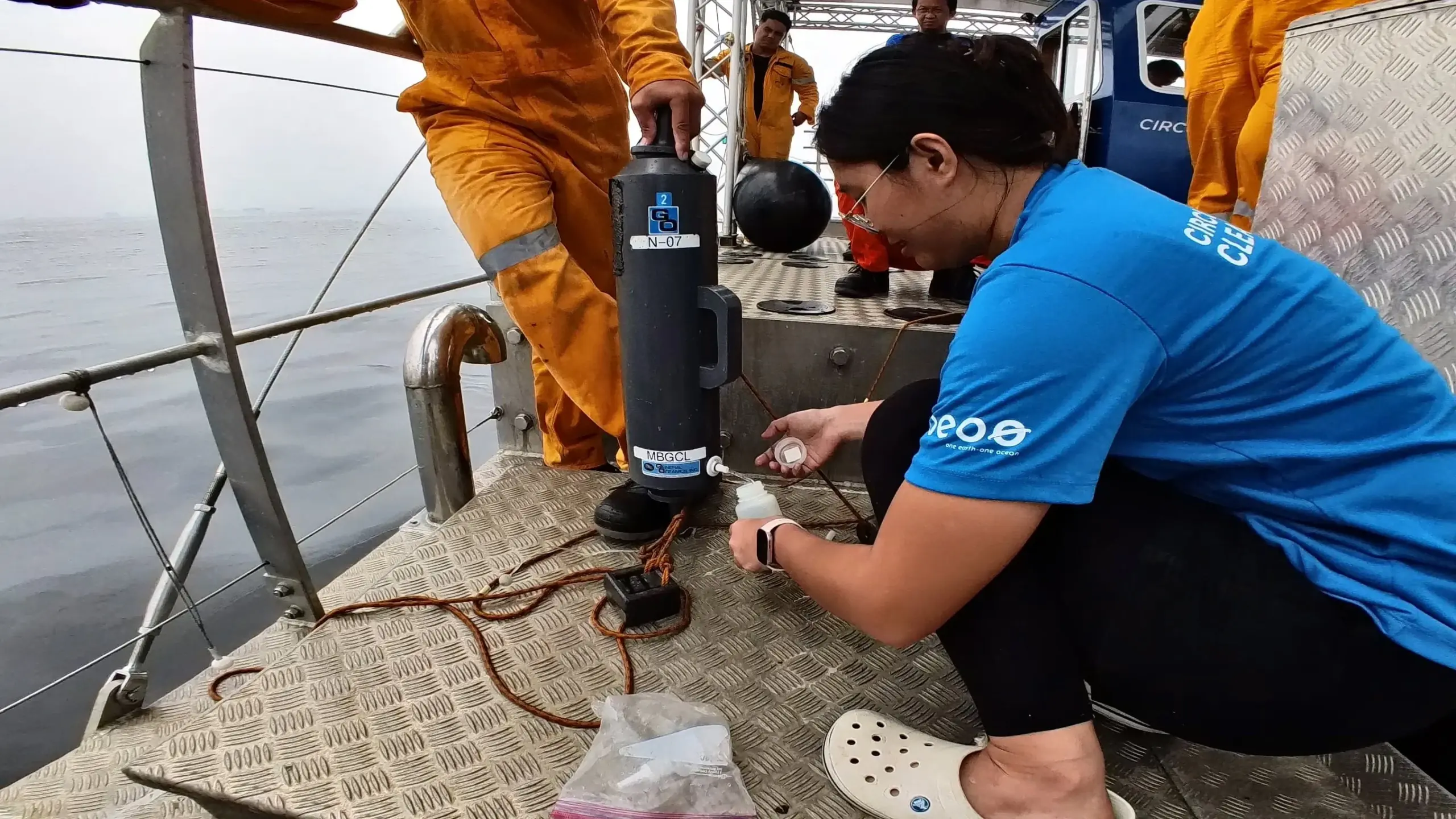
Research and Field Highlights
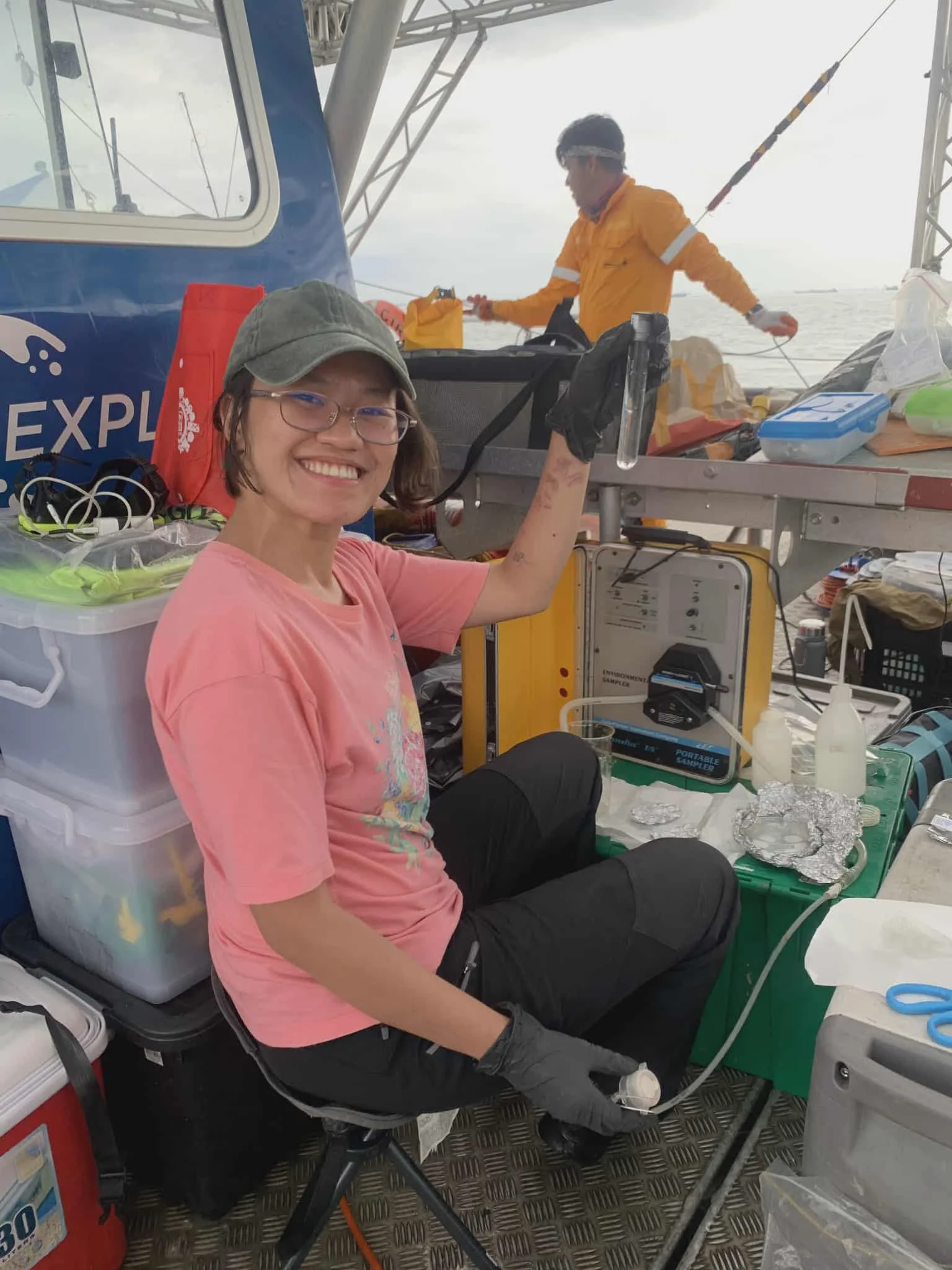
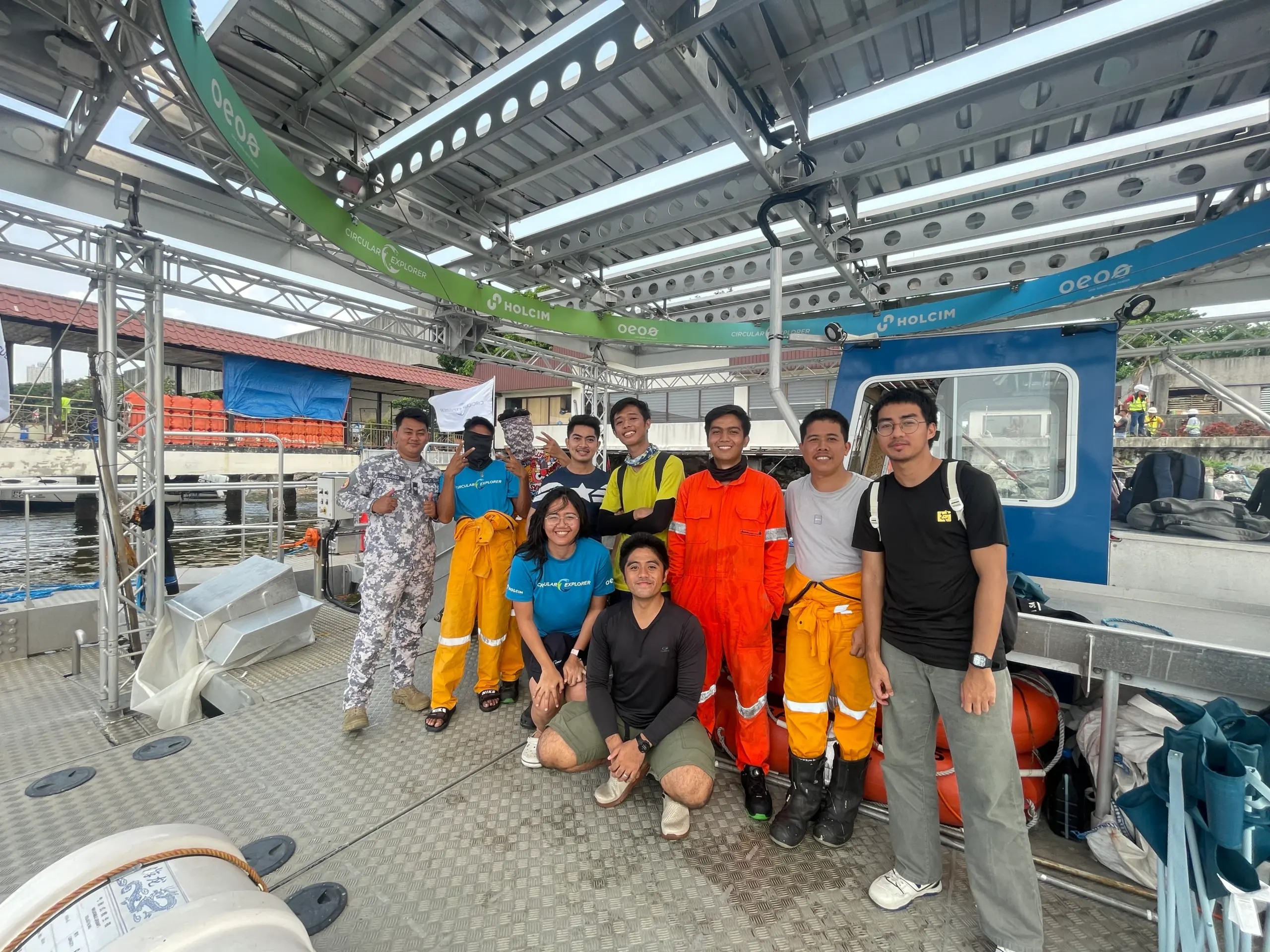
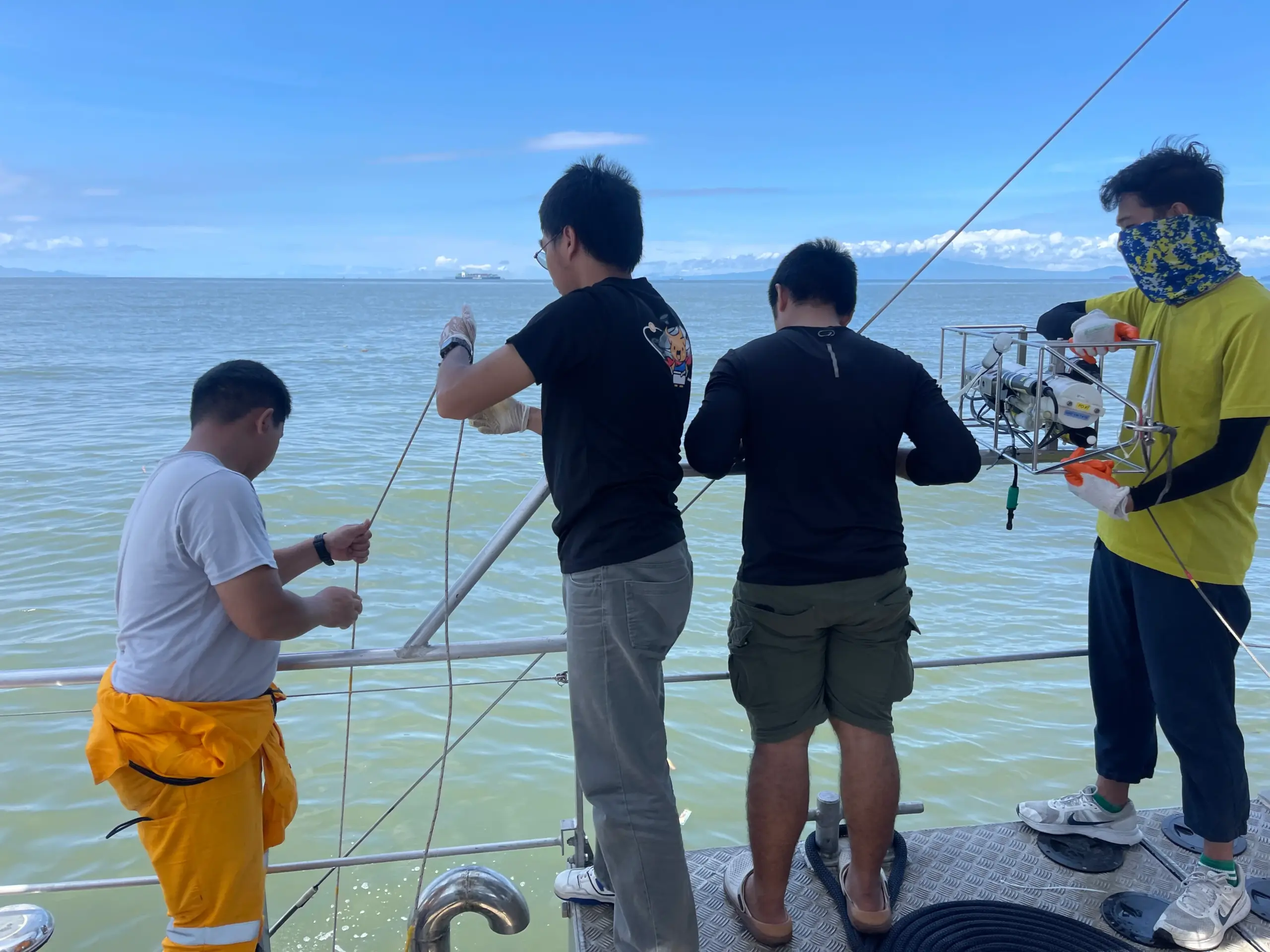
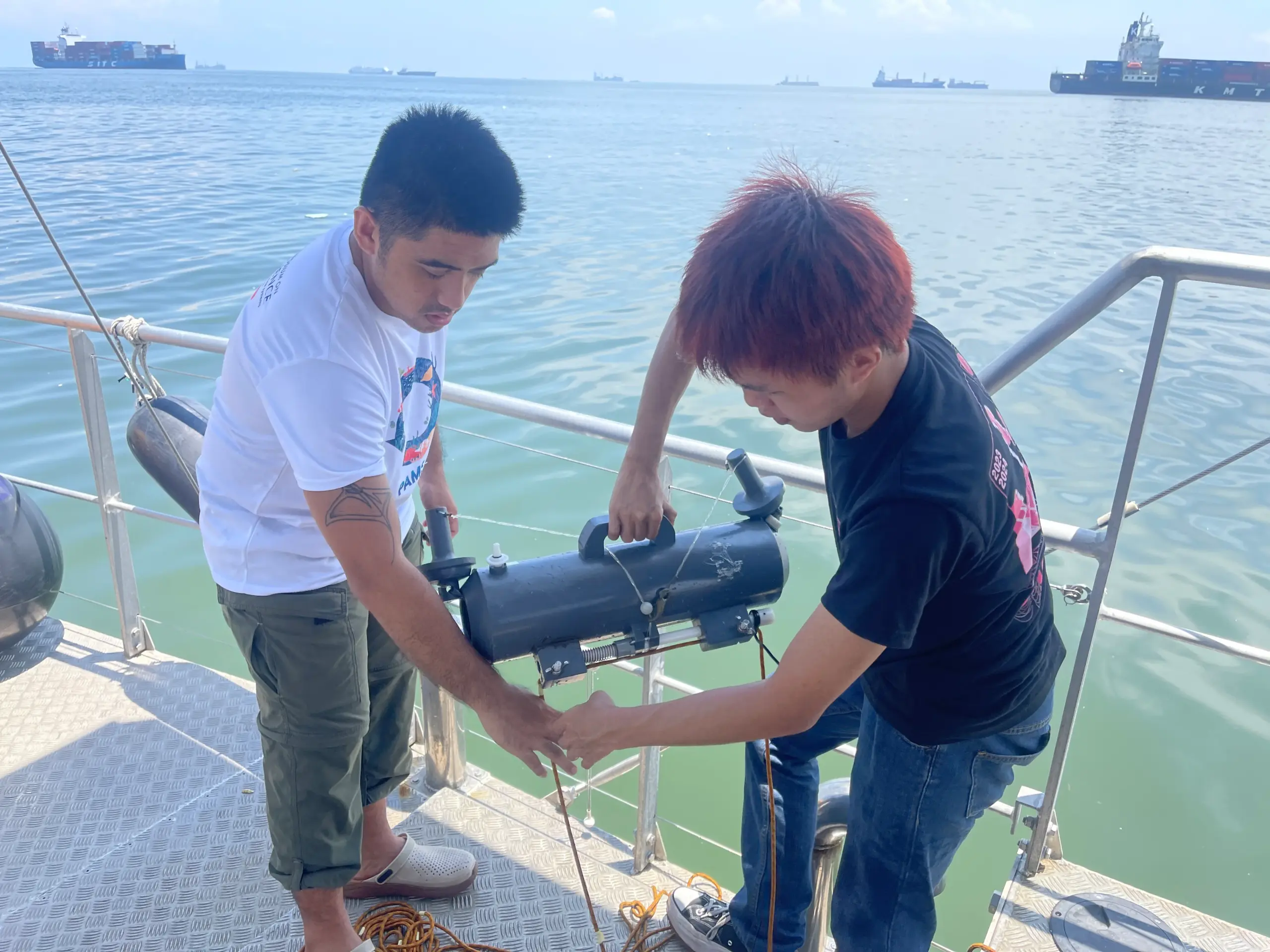
Conferences, fieldwork and milestones from across the laboratories.
Load More

Partner Organizations

Global Initiatives
Local Partners